
Future of Cattle Feed Industry in India (2026–2035 Outlook): Growth, Innovation, and Opportunities Ahead
Introduction
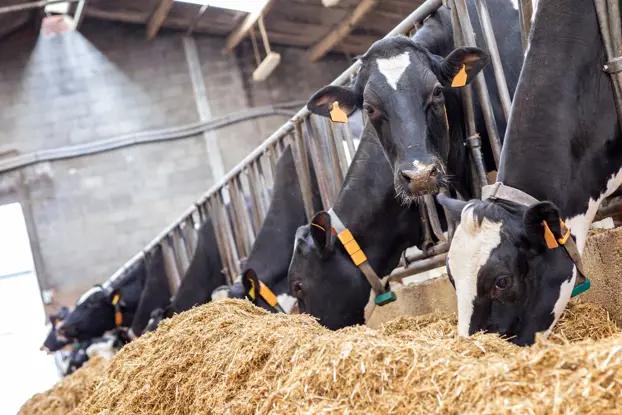
India’s livestock sector is undergoing a remarkable transformation, and at the heart of this change lies the cattle feed industry. As the world’s largest producer of milk, India depends heavily on efficient animal nutrition to sustain dairy productivity and meet the growing demand for milk and dairy products. Between 2026 and 2035, the cattle feed industry is expected to experience significant growth, driven by technological innovation, changing farming practices, government support, and increasing awareness about scientific livestock nutrition.
The next decade will not only reshape how cattle are fed but also redefine how dairy farming operates across the country. From advanced feed formulations to smart feeding systems, the future of cattle feed in India looks highly promising.
Current State of India’s Cattle Feed Industry
The Indian cattle feed sector has evolved from a largely unorganized market into a rapidly expanding industry. With increasing dairy commercialization and growing demand for quality milk, farmers are gradually moving away from traditional feeding practices toward balanced and scientifically formulated cattle feed.
The industry currently serves millions of dairy farmers and commercial livestock producers. Rising investments in feed manufacturing facilities, better distribution networks, and improved nutritional awareness are contributing to steady market growth.
Why the Dairy Industry Will Drive Future Feed Demand
The growth of the cattle feed industry is directly linked to the expansion of India’s dairy sector. As milk consumption continues to rise due to population growth, urbanization, and changing dietary habits, dairy farmers are under pressure to improve productivity.
Modern dairy farming requires animals to produce more milk while maintaining good health and reproductive performance. This can only be achieved through balanced nutrition. As a result, demand for premium cattle feed, mineral mixtures, feed supplements, and scientifically formulated nutrition products is expected to increase substantially over the coming years.
Key Growth Drivers Between 2026 and 2035
Rising Milk Consumption
India’s growing middle class and increasing demand for dairy products such as milk, cheese, yogurt, butter, and dairy-based beverages will create a strong need for improved livestock productivity.
Commercial Dairy Farming Expansion
Traditional small-scale farming is gradually giving way to organized dairy operations. Commercial farms are more likely to adopt compound feed, feed pellets, and professional nutrition management practices.
Growing Awareness Among Farmers
Farmers are becoming increasingly aware that quality feed directly impacts milk yield, animal health, fertility, and profitability. This awareness is expected to drive higher adoption of scientifically balanced cattle feed.
Government Support
Government initiatives focused on dairy development, livestock productivity, and rural economic growth will continue supporting the cattle feed sector. Improved infrastructure and extension services will further encourage scientific feeding practices.
Emerging Trends Shaping the Future
Shift Toward Balanced Cattle Feed
The future will see greater adoption of nutritionally balanced cattle feed instead of relying solely on green fodder and crop residues. Balanced feed provides animals with the required proteins, minerals, vitamins, and energy sources necessary for optimal performance.
Increasing Demand for Feed Pellets
Feed pellets are becoming popular due to their convenience, uniform nutrient distribution, better digestibility, and reduced feed wastage. Their adoption is expected to increase significantly across dairy farms of all sizes.
Precision Nutrition
The concept of precision feeding is likely to gain momentum. Farmers will increasingly use data-driven feeding strategies tailored to individual animal needs, resulting in improved efficiency and reduced costs.
Functional Feed Products
Future cattle feed formulations will focus not only on nutrition but also on improving immunity, digestion, fertility, and overall animal wellness. Feed additives such as probiotics, enzymes, and specialized supplements will become more common.
Technology Revolution in the Feed Industry
Technology will play a crucial role in transforming India’s cattle feed industry. Advanced feed manufacturing plants will incorporate automation, digital monitoring systems, and intelligent quality control mechanisms.
Artificial Intelligence (AI) and Internet of Things (IoT) technologies are expected to help dairy farmers monitor animal health, feeding behavior, and nutritional requirements in real time. Automated feeding systems will improve feed efficiency while reducing labor requirements.
Digital dairy management platforms will also provide farmers with valuable insights into productivity and nutrition planning.
Sustainability Will Become a Priority
Environmental sustainability is expected to become a major focus area during the next decade. The industry will increasingly explore eco-friendly feed ingredients, waste utilization technologies, and low-carbon feed production methods.
Feed manufacturers will invest in sustainable sourcing practices and innovative formulations designed to improve feed efficiency while reducing environmental impact. These efforts will help support both agricultural productivity and environmental conservation goals.
Business Opportunities in the Next Decade
The future presents enormous opportunities for entrepreneurs, investors, and agribusiness companies.
Potential growth areas include:
- Cattle feed manufacturing plants
- Feed pellet production units
- Livestock nutrition consulting
- Feed additive manufacturing
- Dairy farm nutrition services
- Feed machinery and automation solutions
- Distribution and dealership networks
As demand continues to rise, businesses that focus on quality, innovation, and farmer support will have a significant competitive advantage.
Challenges to Address
Despite strong growth prospects, several challenges remain. Fluctuating raw material prices, supply chain disruptions, climate-related risks, and limited awareness in certain rural regions can affect industry performance.
However, ongoing technological advancements, government initiatives, and increasing farmer education are expected to help overcome many of these obstacles over time.
Conclusion
The future of the cattle feed industry in India between 2026 and 2035 is filled with opportunities. Growing dairy demand, modernization of livestock farming, technological innovation, and increasing awareness about animal nutrition will continue driving industry expansion.
The sector is moving rapidly from traditional feeding methods toward scientifically formulated, technology-enabled, and sustainability-focused nutrition systems. Companies, farmers, and entrepreneurs who embrace innovation and prioritize quality nutrition will be best positioned to benefit from this transformation.
As India strengthens its position as a global dairy leader, the cattle feed industry will remain one of the most important pillars supporting productivity, profitability, and long-term agricultural growth.


Leave a Reply